Expertise Is Not an Idea Until Someone Else Can Carry It


Experts often know too much.
That sounds like an advantage.
Sometimes it is the problem.
Spend twenty years inside an industry and you accumulate language, instincts, stories, exceptions, frameworks, scars, patterns, data, and lessons that someone outside your field may never encounter.
You can see things other people cannot see.
But seeing something is not the same as being able to give it to someone else.
That is where expertise and intellectual capital begin to separate.
Expertise can remain inside you.
Intellectual capital has to travel.
I think this distinction matters because we often confuse depth of knowledge with clarity of idea.
They are not the same thing.
A physician may understand something profoundly and still struggle to explain the insight outside medicine.
A founder may have learned something over twenty years of building companies but describe it only as a collection of stories.
A leader may possess extraordinary instincts without having language for the principle behind them.
An expert can know something profoundly without yet having articulated the idea inside what they know.
The work begins when we ask a different question.
Not:
What do you know?
But:
What inside what you know is worth carrying forward?
That is a much harder question.
It requires reduction.
Most people initially want to add.
Another story.
Another statistic.
Another credential.
Another example proving they have earned the right to speak.
But intellectual capital usually becomes stronger through subtraction.
What is the central idea?
What evidence actually belongs?
What language makes it easier to understand?
What can be removed without weakening the argument?
What should another person still be able to repeat a week later?
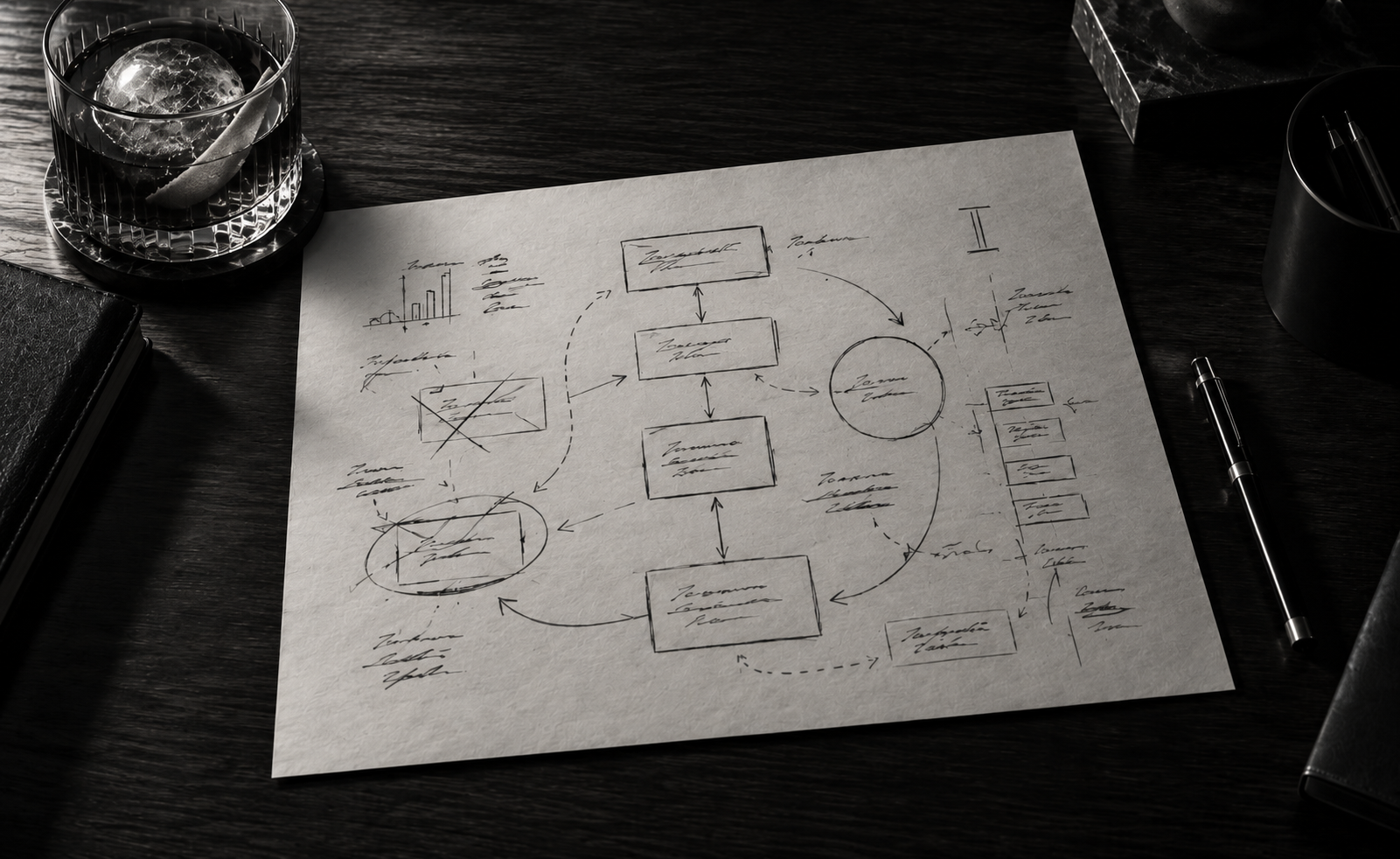
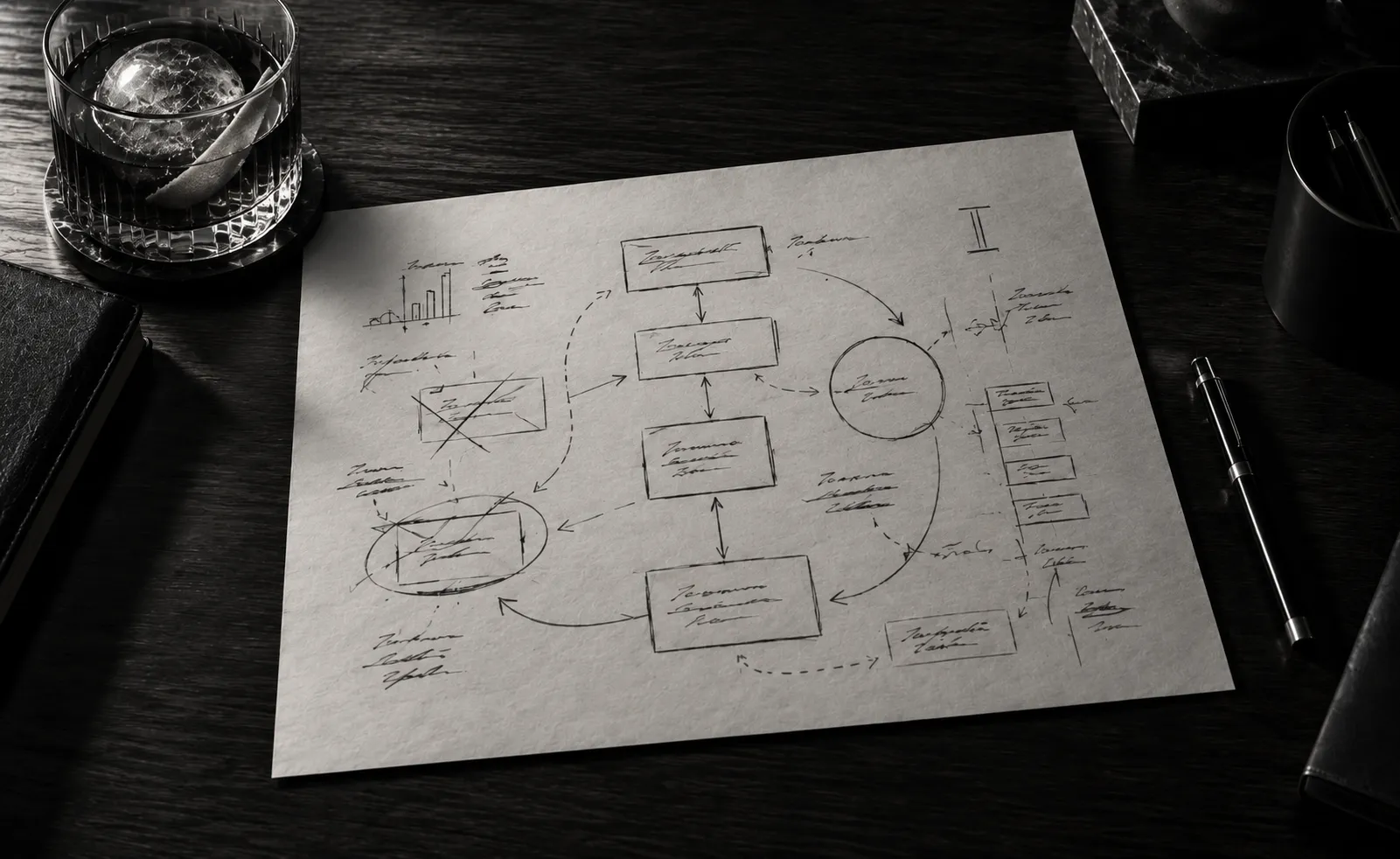
Those questions force expertise into structure.
And structure changes what becomes possible.
Imagine you explain an idea to someone in a room.
They understand it.
Good.
Now they leave.
Can they explain it accurately to someone who was not there?
If they can, something important has happened.
The idea has begun to separate from you.
It no longer depends entirely on your presence, personality, credentials, or performance.
It has acquired enough clarity to move.
That is the beginning of intellectual capital.
This is why I believe the talk is only one expression.
A stage can introduce an idea powerfully. It can create urgency, emotion, attention, and memory.
But if the idea only functions while you are standing under the lights explaining it, the work is not finished.
A well-built idea should be capable of appearing somewhere else without losing its intellectual spine.
An article.
A keynote.
A framework.
A workshop.
A book.
A curriculum.
An advisory practice.
A platform.
Perhaps something that does not exist yet.
The expression changes.
The underlying idea should remain recognizable.
That portability is important because experience is perishable if it remains undocumented and unstructured.
People retire.
Companies change.
Industries move.
Memory fades.
The things someone learned through decades of work can disappear with surprising speed if those lessons never become language another person can use.
There is enormous unrealized value trapped inside that problem.
Not everything someone knows deserves to become intellectual capital.
But some things do.
A distinction nobody has named.
A framework developed through years of practice.
A pattern seen repeatedly across an industry.
A hard-earned lesson that challenges accepted wisdom.
A way of understanding a problem that changes what someone does next.
Those are assets.
But only after they have been made clear enough to survive outside the mind that produced them.
That is the test I keep returning to.
Can someone understand it?
Can they remember it?
Can they repeat it?
Can it survive another room?
Can it become something more?
If the answer is yes, expertise has become something more.
Expertise is what you know.
Intellectual capital is what someone else can carry.
WHAT THEY BUILT.
WHY IT MATTERED.